☀️ Solar Panel System Cost in Pakistan – Complete 2026 Price Guide
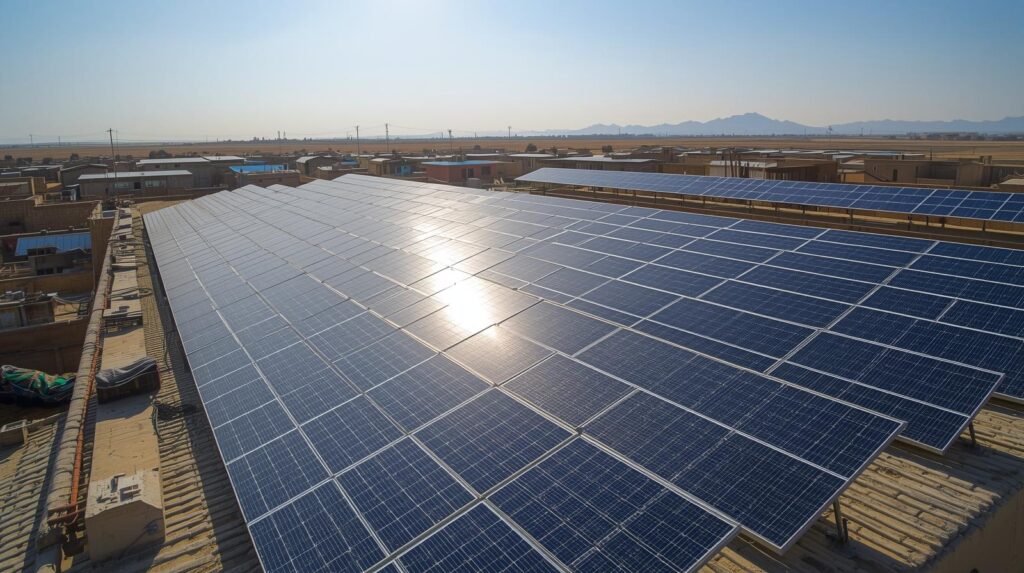
📅 Last Updated: 2026
As electricity prices rise and load-shedding continues, solar power systems have become one of the most popular investments in Pakistan. Whether you’re a homeowner, business owner, or farmer, this guide gives you the real costs, parts breakdown, installation pricing, financing options, and how to choose the right system — in simple English + easy Roman Urdu.
This is a comprehensive 2026 solar cost guide for Pakistan — no fluff, just useful info you can apply today.
📌 What This Guide Covers
1️⃣ How solar systems work
2️⃣ Types of solar systems
3️⃣ Components & their costs
4️⃣ Total system cost estimates (2026)
5️⃣ Province-wise price differences
6️⃣ Savings & payback calculation
7️⃣ How to choose the right installer
8️⃣ Financing & government incentives
9️⃣ Common mistakes to avoid
🔟 FAQs (real Pakistani scenarios)
Roman Urdu:
“Is guide mein har cheez plain aur simple batayi hai taake aap confusion ke baghair solar system khareed saken.”
⚡ 1️⃣ How a Solar System Works (Quick Practical)
Solar system ka basic idea simple hai:
Solar Panels convert sunlight → DC electricity
Inverter converts DC → AC (useable home power)
Battery (optional) stores power for night time
Load → Lights, Fans, AC, TV, etc.
Roman Urdu:
“Suraj ki roshni se bijli milti hai aur usay inverter se ghar ke normal electric devices chalane layak banaya jata hai.”
🌞 2️⃣ Types of Solar Systems in Pakistan
🔹 A. Off-Grid Solar (No Battery Backup)
✔ Panels + inverter
✔ No battery
✔ Best for day-time loads only (lights, fans, TV)
✔ Cheapest option
Roman Urdu:
“Battery nahi hoti, is liye raat ko power nahi milti.”
🔹 B. On-Grid Solar (Net Metering)
✔ Panels + Grid + Meter
✔ No battery needed
✔ Excess power grid sell hoti hai
✔ Best for day-time use + bill reduction
Roman Urdu:
“Din mein excess bijli grid ko bhej do aur raat ko normal grid se power lo.”
🔹 C. Hybrid Solar (Battery + Grid)
✔ Panels + Battery + Grid
✔ Power day & night
✔ Best performance
✔ Most expensive
Roman Urdu:
“Night aur load-shedding dono mein power milti rehti hai.”
🔧 3️⃣ Solar Components & Individual Costs
Below are the main parts of a system — and their typical price ranges in Pakistan (2026).
📍 Prices vary by brand, quality, warranty, and region.
⚡ Solar Panels (per watt cost)
| System Size | Panel Type | Estimated Cost |
|---|---|---|
| Small 1 kW | Mono/Poly | PKR 24,000–30,000 |
| Medium 3 kW | Mono/Poly | PKR 66,000–90,000 |
| Large 5 kW | Mono/Poly | PKR 110,000–160,000 |
| Economy (local brand) | Poly | PKR 18,000–22,000 per kW |
Roman Urdu:
“Panels system ka heart hotay hain — ache panels ka life zyada hota hai.”
🔌 Inverter (Brain of System)
| Type | Capacity | Price Range |
|---|---|---|
| Pure Sine Wave | 1 kW | PKR 25,000–35,000 |
| Pure Sine Wave | 3 kW | PKR 70,000–120,000 |
| Pure Sine Wave | 5 kW | PKR 110,000–170,000 |
| String Inverter (grid) | 5 kW | PKR 130,000–200,000 |
Roman Urdu:
“Cheap inverter se AC motors aur electronics damage ho sakti hain — pure sine wave best option hai.”
🔋 Batteries (if used)
| Battery Type | Capacity | Price |
|---|---|---|
| Lead Acid | 150 Ah | PKR 28,000–35,000 |
| SMF / VRLA | 150 Ah | PKR 32,000–42,000 |
| LiFePO4 (Lithium) | 150 Ah | PKR 85,000–120,000 |
Roman Urdu:
“Battery quality se system life aur backup time depend karta hai.”
🪛 Mounting & Accessories
| Item | Typical Cost |
|---|---|
| Mounting Structure | PKR 10,000–30,000 |
| Cables & Connectors | PKR 5,000–15,000 |
| Installation Labour | PKR 15,000–35,000 |
Roman Urdu:
“Accessories aur labour cost choti lagti hai lekin overall bill ka hissa hoti hai.”
💰 4️⃣ Total Solar System Cost Estimates (2026)
❇️ A. Off-Grid (No Battery)
| System Size | Approx Cost |
|---|---|
| 1 kW | PKR 40,000–70,000 |
| 2 kW | PKR 80,000–120,000 |
Use: Lights, fans, small appliances (day time)
Roman Urdu:
“Simple system ko ghar ke day load ke liye use kiya jata hai.”
❇️ B. On-Grid (Net Metering)
| System Size | Estimated Price |
|---|---|
| 3 kW | PKR 150,000–230,000 |
| 5 kW | PKR 230,000–350,000 |
| 7 kW | PKR 320,000–480,000 |
| 10 kW | PKR 450,000–700,000 |
Net metering allows you to credit excess power exported to grid.
Roman Urdu:
“Din mein jo bijli use nahi hoti, woh grid ko bhej di jati hai — bill credit milta hai.”
❇️ C. Hybrid Solar (With Battery)
| System Size | Estimated Price |
|---|---|
| 3 kW | PKR 230,000–350,000 |
| 5 kW | PKR 350,000–550,000 |
| 7 kW | PKR 480,000–750,000 |
| 10 kW | PKR 650,000–1,000,000 |
Best for 24/7 power & load shedding.
Roman Urdu:
“Hybrid system se raat aur day dono time power milti hai — magar mehngi padti hai.”
📍 5️⃣ Province-Wise Price Differences (Pakistan)
Prices vary due to:
Taxes / duty
Freight & logistics
Installation availability
Local demand
Punjab (Lahore, Faisalabad…):
✔ Competitive pricing
✔ Many installers
✔ Quick support
Sindh (Karachi, Hyderabad…):
✔ Slightly higher panel prices
✔ Fast service
Khyber Pakhtunkhwa (Peshawar, Mardan…):
✔ Installation cost moderate
✔ Access to quality panels slightly limited
Balochistan (Quetta, Gwadar…):
✔ Higher logistics cost
✔ Longer installation time
Roman Urdu:
Small city mein installation aur parts ka cost thoda zyada hota hai compared to big cities.
💡 6️⃣ Savings & Payback Calculation
Let’s check how much you save:
Example: 5 kW On-Grid System
Daily output approx: 20–28 kWh
Monthly output: 600–800 kWh
Electricity price (example): PKR 40–55 per unit
Monthly saving:
600 * 40 = PKR 24,000
Yearly saving: ~PKR 288,000
If system cost ~PKR 350,000
Payback period:
~350,000 / 288,000 ≈ 1.2 years
Roman Urdu:
“Solar lagane ke baad paise bohat jaldi recover ho jate hain, phir free bijli chalti rehti hai.”
🛠 7️⃣ How to Choose the Right Installer (Step-by-Step)
🟢 Step 1 – Ask for Multiple Quotes
✔ 3–4 companies se prices and specs lein
✔ Compare panels, inverter & battery quality
Roman Urdu:
“Sirf sasti quote par trust mat karein — quality check zaroor karein.”
🟢 Step 2 – Check Warranty
Good installers give:
✔ Panels: 10–25 years
✔ Inverter: 2–5 years
✔ Batteries: 1–3 years
🟢 Step 3 – Site Survey
Technician should check:
✔ Roof angle & direction
✔ Shading issues
✔ Load requirements
Roman Urdu:
“Proper site survey se system sahi output deta hai.”
🟢 Step 4 – Installation Agreement
✔ Ask about timeline
✔ Check labour warranty
✔ Confirm after-sale support
Roman Urdu:
Agreement likhit mein zaroor lein.
💳 8️⃣ Financing & Government Incentives (2026)
⚡ Net Metering Policy
Net metering allows you to export extra power to utility and get bill credit.
Useful for:
On-Grid systems
Roman Urdu:
“Jo solar use nahi hoti, woh grid ko sell hoti hai aur bill kam hota hai.”
🏦 Bank Financing / Solar Loans
Some banks provide solar loans:
✔ Long-term repayment
✔ Low monthly instalments
Banks may require:
✔ CNIC
✔ Bank statements
Roman Urdu:
Loan se system asaani se lag sakta hai — par profit/margin samajh kar lein.
⚠ 9️⃣ Common Mistakes to Avoid
❌ Buying cheap low-quality panels
❌ Choosing undersized inverter
❌ Skipping site survey
❌ No warranty check
❌ Ignoring net metering setup
Roman Urdu:
“Cheap system se long-term loss hota hai — quality pe compromise mat karein.”
❓ 10️⃣ Frequently Asked Questions (Real Pakistan Scenarios)
Q1: What size system do I need?
A: Depends on daily load — calculate bill units.
Roman Urdu:
Bill ka unit dekh kar decide karein ke system 3 kW, 5 kW ya 10 kW chahiye.
Q2: Is battery mandatory?
A: No — off-grid needs battery, net-metering doesn’t.
Q3: Can solar run AC?
A: Yes — with bigger system (7–10 kW + battery typically).
Roman Urdu:
AC chalana heavy load demand karta hai — system bada rakhna parta hai.
Q4: Is net metering still valid in 2026?
A: Yes — net metering policy is active with utility approvals.
Q5: How long do panels last?
A: 10–25+ years (quality dependent)
🏁 Final Summary
Solar panel cost in Pakistan (2026) depends on:
✔ System size
✔ Panel quality
✔ Inverter type
✔ Battery (if used)
✔ Installation labor
Typical cost ranges:
Off-Grid: PKR 40,000–120,000
On-Grid (Net Metering): PKR 150,000–700,000
Hybrid (Battery): PKR 230,000–1,000,000+
Roman Urdu Final Advice:
“Solar ek long-term investment hai — sahi planning aur quality parts choose karne se aap apni bijli ki cost bohat kam kar sakte hain.”


